
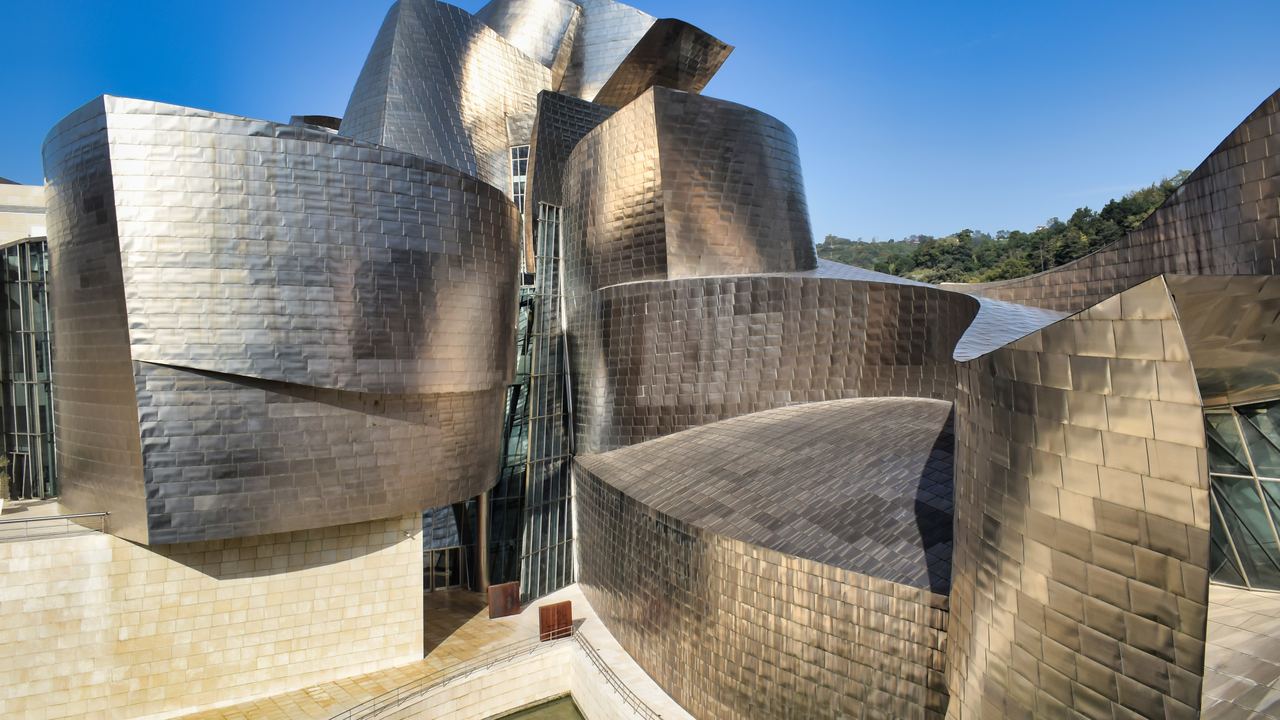
The Guggenheim has had more than three museums, and the ones that closed are not on the Foundation's own map. Its website describes an "international constellation" of New York, Venice, Bilbao and, soon, Abu Dhabi, and does not mention the others. The short list of what happened: a downtown New York annex that opened in 1992 and no longer exists, a Berlin space run with Deutsche Bank from 1997 until February 2013, two Las Vegas museums that opened in 2001, a Mexican project that was cancelled in 2009, and a Helsinki museum that city officials voted down twice. This page gives what the sources support, date by date, and says where they disagree.
This site is independent and not affiliated with the Foundation or any Guggenheim museum. We checked every claim below on 3 November 2026, and where a closing year depends on which source you open, we say so rather than choose one.
Which Guggenheim museums have closed?
Four places belong on the list, and a fifth was never built. The facts below come mostly from Wikipedia and press coverage, because the Foundation's own pages do not tell this story. That is a weaker evidence base than the museum websites we rely on elsewhere, and we mark it.
Guggenheim Museum SoHo opened in June 1992 at 575 Broadway in Manhattan, in a space designed by the architect Arata Isozaki. It is gone now. Sources disagree on the year it closed (Britannica gives 2001, others 2002), so we do not give one. Isozaki is also the architect who lost the Bilbao competition to Frank Gehry that same summer, which is a small coincidence worth knowing: the Foundation was working with him in New York while it chose someone else for Spain.
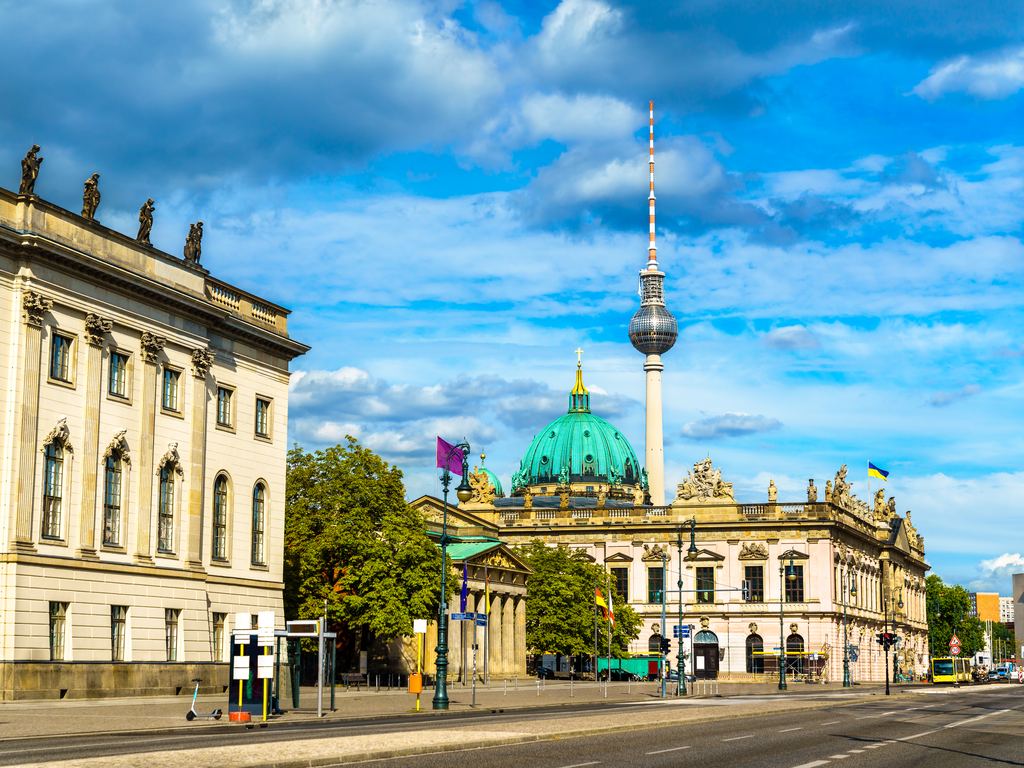
Deutsche Guggenheim, Berlin opened in November 1997, a few weeks after Bilbao, in a space on Unter den Linden run in partnership with Deutsche Bank and designed by Richard Gluckman. Its last exhibition closed in February 2013, after which the bank reopened the space as the Deutsche Bank KunstHalle. Some sources say the museum ended in late 2012; the closing of its last show in February 2013 is the date we can support.
Las Vegas had two. According to Wikipedia, the Guggenheim Las Vegas, designed by Rem Koolhaas, opened in 2001 with one exhibition, The Art of the Motorcycle, and closed in 2003. The Guggenheim Hermitage Museum, also by Koolhaas and a collaboration with the Hermitage in Saint Petersburg, ran from 2001 to May 2008 and put on ten exhibitions. We have not opened a primary source for either date, so treat them as Wikipedia's.
Guadalajara, in Mexico, was a planned museum that was cancelled in 2009; the Foundation did not build it. Helsinki was proposed, studied and rejected, and gets its own section below.

What was the Krens strategy, and why was it called McGuggenheim?
The branches were not accidents. Thomas Krens directed the Foundation from 1988 to 2008, and his plan, as Wikipedia summarizes it, was to finance new buildings and renovations with bonds and to franchise satellite museums around the world, with host governments carrying the costs and collecting the prestige and tourism. Krens called it the Global Guggenheim. He was open about it. A 1998 Art Newspaper interview with him carries the headline "No populist, no colonialist, just loved by business."
The fast-food comparison has a name. "McGuggenheim" was the critics' word for the franchise model. We could not find who coined it. The oldest use in our sources is a Christian Science Monitor piece of 19 October 2001, so we date the phrase to "at least 2001" and give it no author. Anyone who tells you who invented it has a source we have not seen.
The objections went beyond the name. In 1990 the Foundation sold works by Kandinsky, Chagall and Modigliani to help pay for Minimalist work from the Panza collection, a sale that drew sharp criticism at the time. Exhibitions such as The Art of the Motorcycle (1998) and a show on Armani drew criticism, including in The New Criterion. In January 2005 the Foundation's biggest donor, board chairman Peter B. Lewis, resigned, objecting to plans for further expansion. Krens himself resigned on 27 February 2008. In 2006 he said the Guggenheim museums worldwide drew 2.5 million visitors a year, which is his own claim, not an audited figure.
Bilbao was the franchise that worked, mostly because the Basque side wrote protections into the contract. It required Basque consent for any other Guggenheim satellite in Europe and kept the museum's ticket and shop revenue in Bilbao.
That contract detail comes from the Harvard Graduate School of Design case study on Bilbao, and it is explained on our page on Gehry's Bilbao. It matters here because the other branches did not have the same structure, or the same partner with money and patience.
Why did Helsinki say no twice?
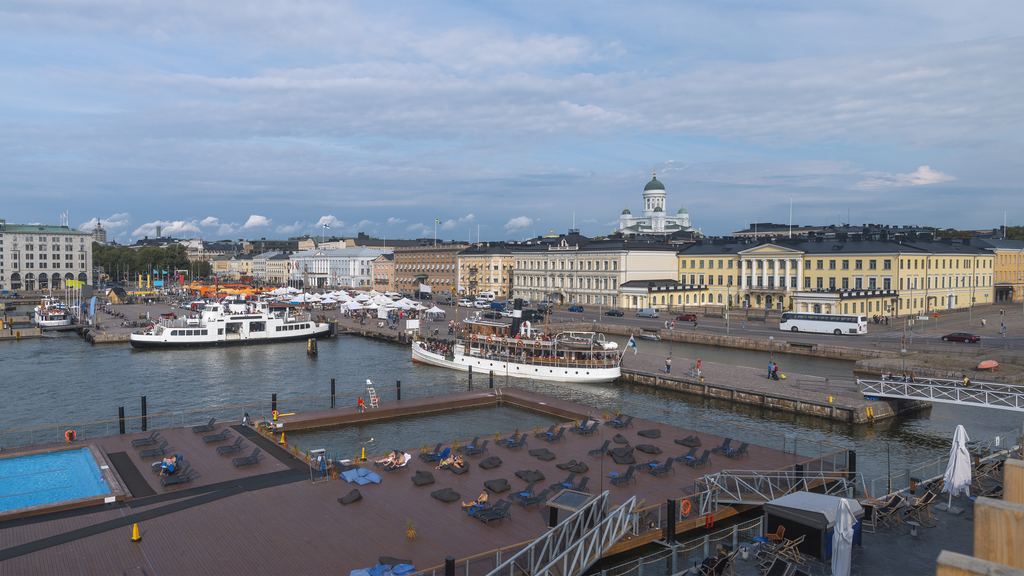
Helsinki is the clearest case of a city weighing the model and declining it, and it is easy to get wrong because there were two separate votes. The city asked for a feasibility study in 2011. On 2 May 2012 a city committee (the board) rejected the plan by 8 votes to 7. A second proposal followed in 2013, and an architecture competition ran in 2014 and 2015: 1,715 entries from 77 countries, won by Moreau Kusunoki. On 21 November 2016 the city board narrowly approved a revised plan. On 30 November 2016 the full city council rejected it for good, 53 votes to 32, according to The Art Newspaper.
So the usual summary, "Helsinki said no," compresses a five-year argument. The first no came from a committee. The final one came from the council after the architectural competition had already been run, so the city had spent real effort before deciding. The Art Newspaper reported that councillors pointed to the cost to Finnish taxpayers and to a waterfront site they called too valuable for the project; we have not read the local coverage beyond that.
Timeline: openings, resignations and closures
Dated events behind the closures
Only events with a date in our sources. Closings whose year is disputed are in the text and the table, not here.
The origins
-
1988
Krens becomes director
The expansion strategy starts under him; he stays until 2008.
-
June 1992
SoHo opens
A downtown annex at 575 Broadway.
The growth
-
October 1997
Bilbao opens
The first and most successful overseas partnership.
-
November 1997
Berlin opens
Deutsche Guggenheim, with Deutsche Bank, on Unter den Linden.
-
2001
Two Las Vegas museums open
The Guggenheim Las Vegas and the Guggenheim Hermitage Museum, both by Rem Koolhaas.
-
January 2005
Lewis resigns
The board chairman and biggest donor steps down, objecting to expansion plans.
-
27 February 2008
Krens resigns
He stays on as a consultant for international affairs.
-
2 May 2012
Helsinki board says no
Eight votes to seven.
-
February 2013
Berlin closes
The last exhibition ends; the space becomes the Deutsche Bank KunstHalle.
Today
-
30 November 2016
Helsinki council says no
Fifty-three votes to thirty-two.
-
11 December 2026
Abu Dhabi opens
Announced by Abu Dhabi's Department of Culture and Tourism on 28 July 2026.
What is left of each branch today?
| Place | Opened | Ended | What is there now |
|---|---|---|---|
| SoHo, New York | June 1992 | Early 2000s (2001 or 2002, sources differ) | No longer a Guggenheim |
| Berlin | November 1997 | February 2013 | Deutsche Bank KunstHalle |
| Las Vegas (Koolhaas) | 2001 | 2003 (Wikipedia) | Closed after one exhibition |
| Las Vegas, Hermitage (Koolhaas) | 2001 | May 2008 (Wikipedia) | Closed after ten exhibitions |
| Guadalajara | Planned, never opened | Cancelled 2009 | Never built |
| Helsinki | Proposed 2011 | Rejected 2012 and 2016 | Never built |
| Bilbao | 18 October 1997 | Open | Governed by a Basque foundation; contract renewed to 2034 |
| Abu Dhabi | 11 December 2026 | Not yet open | Opening announced by Abu Dhabi's tourism department |
Which Guggenheim museums are open now?
Three: the Solomon R. Guggenheim Museum in New York (open since 1959, building by Frank Lloyd Wright), the Peggy Guggenheim Collection in Venice, and the Guggenheim Museum Bilbao. A fourth, Guggenheim Abu Dhabi, is announced to open on 11 December 2026 and is not open today. Our page on Guggenheim Abu Dhabi separates what is known from what is promised.
Do not read the visitor numbers across sites as a league table. The Art Newspaper's 2025 survey gives Bilbao 1,305,003 and New York 774,057 (down 40 percent on 2019). Venice reported more than 343,000 entries over 313 opening days, and it does not appear in the top 150. The sources define "visitor" differently, and New York's figure rests on a single source for us. If you want to see the Foundation's flagship, start with our United States page and the New York museum page.
What does the model of franchised museums teach us?
Our research was about the Guggenheim, so we will stay close to it. Three patterns show up in the dated record. First, the partner mattered more than the brand. Bilbao had a government that paid for the building and the operating costs and signed a contract with safeguards; Helsinki had a city that would have been asked to pay and voted not to. Second, the shared-space ventures (Berlin with a bank, Las Vegas with the Hermitage) ended after about fifteen years for Berlin and seven or fewer for Las Vegas, while the venture with the deepest public commitment is the one renewed to 2034. Third, the model survived its critics. The new Abu Dhabi museum follows it again: a partnership between the emirate's tourism department and the Foundation, with, according to Gulf News, the collection owned by the Abu Dhabi government, not the Foundation. That is a single-outlet claim, and we hold it loosely until the museum publishes its own account.
Abu Dhabi's museum sits in the Saadiyat Cultural District, next to the Louvre Abu Dhabi (opened 2017). We will not generalize beyond the Guggenheim itself. A proper comparison of how other museum groups handled overseas branches would need its own research.
Questions about the closed Guggenheim branches
Did the Guggenheim close its Berlin museum?
Yes. The Deutsche Guggenheim, a partnership with Deutsche Bank, opened in November 1997 and its last exhibition closed in February 2013. The space is now the Deutsche Bank KunstHalle.
When did the Guggenheim SoHo close?
It opened in June 1992 and is gone. Sources give 2001 or 2002, so we do not give a single year.
Was there a Guggenheim in Las Vegas?
Two. A Koolhaas-designed Guggenheim Las Vegas and the Guggenheim Hermitage Museum, both opened in 2001. According to Wikipedia they closed in 2003 and May 2008.
Why did Helsinki reject a Guggenheim?
It voted against it twice: 8 to 7 in a city committee on 2 May 2012, and 53 to 32 in the council on 30 November 2016. The Art Newspaper reported that councillors cited the cost to taxpayers and the value of the waterfront site.
Who invented the word McGuggenheim?
We could not find out. The oldest use in our sources is a Christian Science Monitor article of 19 October 2001.
How many Guggenheim museums are open?
Three: New York, Venice and Bilbao. Abu Dhabi is announced for 11 December 2026.
Is the Guggenheim Bilbao owned by the Guggenheim Foundation?
No. It is governed by the Guggenheim Museum Bilbao Foundation, set up as a partnership with the Basque institutions.
Tours in New York

Electric Pedicab NYC Tour With Flexible Stops, Times Square to Fifth Avenue
The driver is the guide and the route is open: riders add or skip stops between Times Square, Fifth Avenue, Rockefeller Center and the Empire State Building.
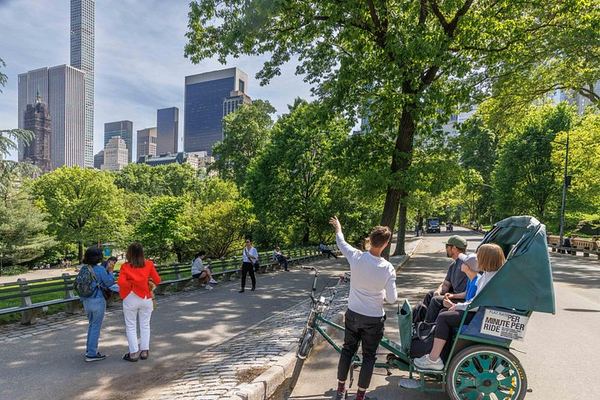
Guided Pedicab Tour of Celebrity Homes and Film Locations Around Central Park
Guides point out who lived where around the park, from the Dakota to the Essex House, and which scenes were shot at the Boathouse, Bow Bridge and the Plaza.
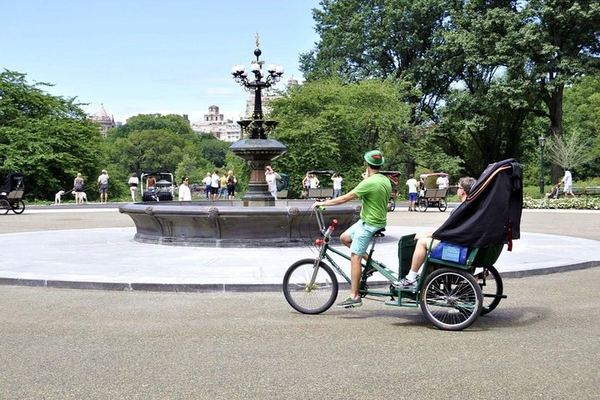
Private Central Park Pedicab Tour With Walking Stops, 1 to 3 Hours
A private pedicab ride through Central Park with 5-minute walking stops at Strawberry Fields, Bethesda Fountain and Bow Bridge, in 1, 2 or 3 hour versions.
Ratings collected by Viator and Tripadvisor
Data verified on . Mostly Wikipedia and press, not Foundation pages. Disputed closing years are left open. Editorial Policy